Wallet balance is $42.10
Open source · MIT or Apache-2.0 · beta
FluctlightDB, also called Fluctlight
An embedded memory
database for AI agents
experience() writes. activate() recalls from a cue.
checkpoint() survives the restart. A Rust core, a Python-first API,
one brain directory per agent.
pip install "fluctlightdb[native]"
A hosted platform is being built. Until it opens, everything here runs locally:
pip install "fluctlightdb[native]"
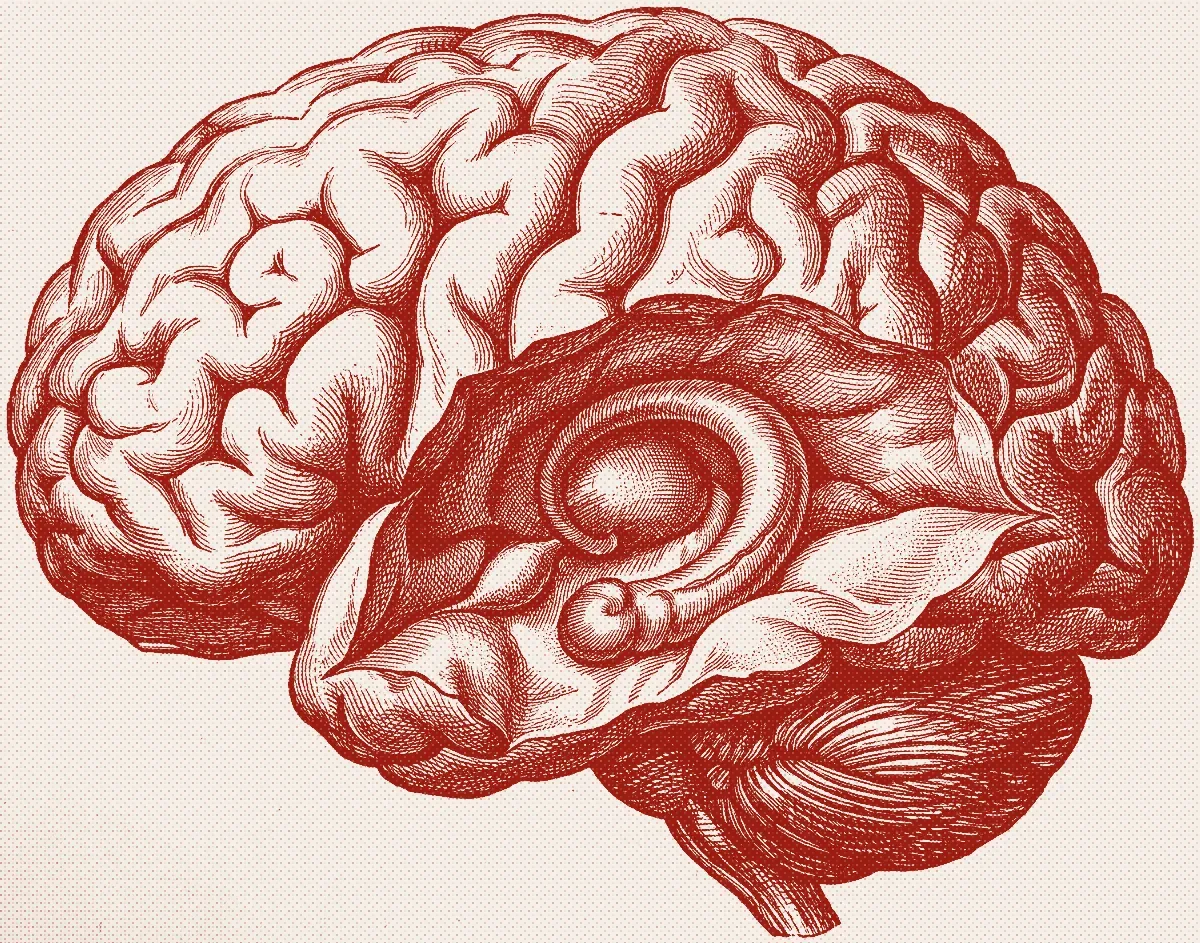
- Events Hippocampus
- Importance Salience
- Focus Executive
Encephalon, lateral view, opened. The structures the engine is named after, marked schematically — this is an engraving, not an anatomical atlas.
What the engine does
Three things, and the third is why it lasts
-
01
Recall by cue

Full-text, vectors and graph spread fused in one activate() call. A memory can come back because of what it sits beside, not only because it shares your wording.
-
02
Evidence outranks chat

A memory written with a source enters the top provenance tier. When two memories say the same thing, the one that can be checked wins.
-
03
It survives the restart
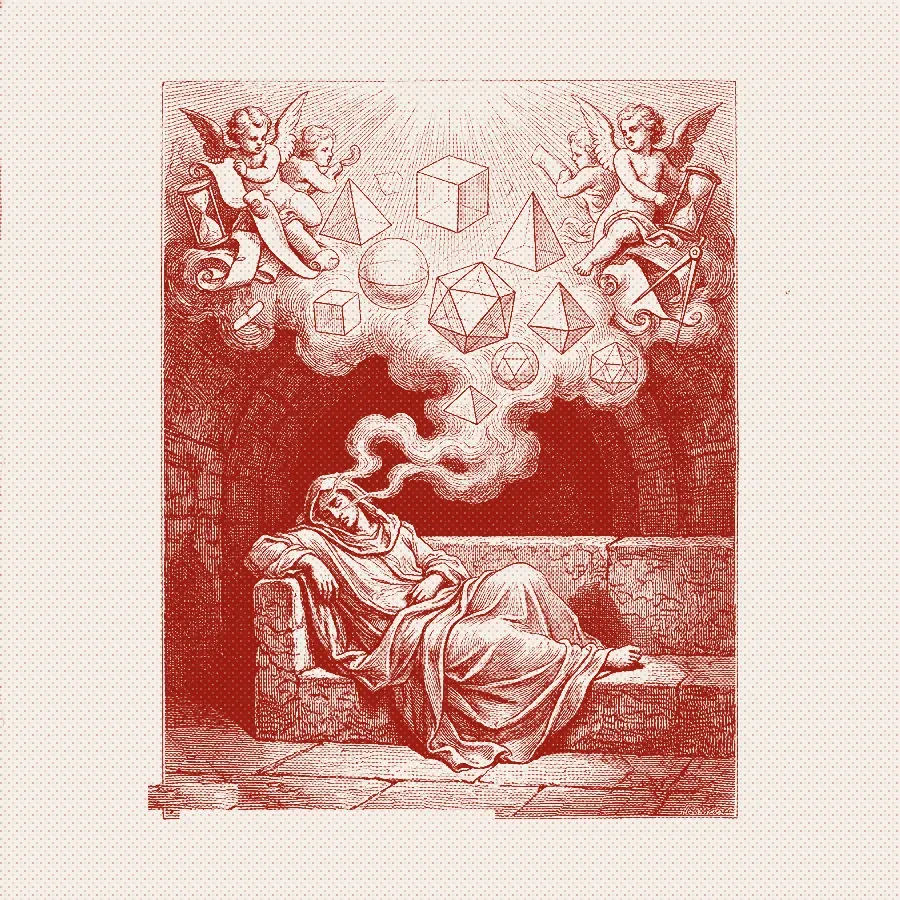
A write-ahead log and atomic checkpoints put the brain on disk. Crash recovery is exercised in CI with SIGKILL mid-write and torn log tails.
Every one of these is documented in the documentation, and the durability tests are in the repository.
Provenance
Written in ink, or written in pencil
An agent hears that the balance is forty dollars, and reads a ledger file that says forty-two ten. Both are memories. Only one is evidence.

“I think I have about forty dollars.”
Same cue, wallet balance. The ledger entry is returned first because of
where it came from, not because it scored higher. Source: crates/fluctlightdb/src/brain.rs:1848-1861. Opens the repository in a new tab.
Measurements
The number we stand on, and the one we struck
96.8%
LoCoMo evidence recall
at k=150, over 1,982 questions. At the tighter k=5 that a real retrieval turn asks for, it is 72.6%.
99.0%
LoCoMo evidence recall at k=150
withdrawn — a different protocol, which expanded every retrieved turn by its neighbours and then counted neighbours the engine never returned. Plain BM25 reached it too
- Maintainer-reported
- Frozen July 2026
- Harnesses open
- No independent reproduction yet
All five measurements, their harnesses and the retraction in full · the results in the repository

Using it
One import, or one container
It is embedded, so there is nothing to run: a brain is a directory, and
connect_embedded() opens it in your own process. If you already have an
agent framework, there is an adapter for it.
pip install "fluctlightdb[native]"It plugs into
- LangChain FluctlightMemory, chat history
- LlamaIndex FluctlightLlamaMemory
- OpenAI Agents SDK remember and search handlers
- MCP Cursor, Claude and Codex
- Docker ghcr.io/voxmastery/fluctlightdb
- Node over HTTP from fluctlight-serve
Stable to build on
- connect_embedded(), connect_agent() and the other connect_* entry points
- experience(), activate(), checkpoint(), recall()
- The v4 brain directory on disk
- POST /api/v1/experience and /api/v1/activate
Getting started · what is wrong with it, six entries, every one sourced.
Contents
On this site
The install line and a working Python sample, the API, the questions, how it sits beside other memory tools, and the preprint.